
Style versus Fashion
Inner expression or a collective mindset? What are we really talking about when we use abstract terms such as style and fashion.

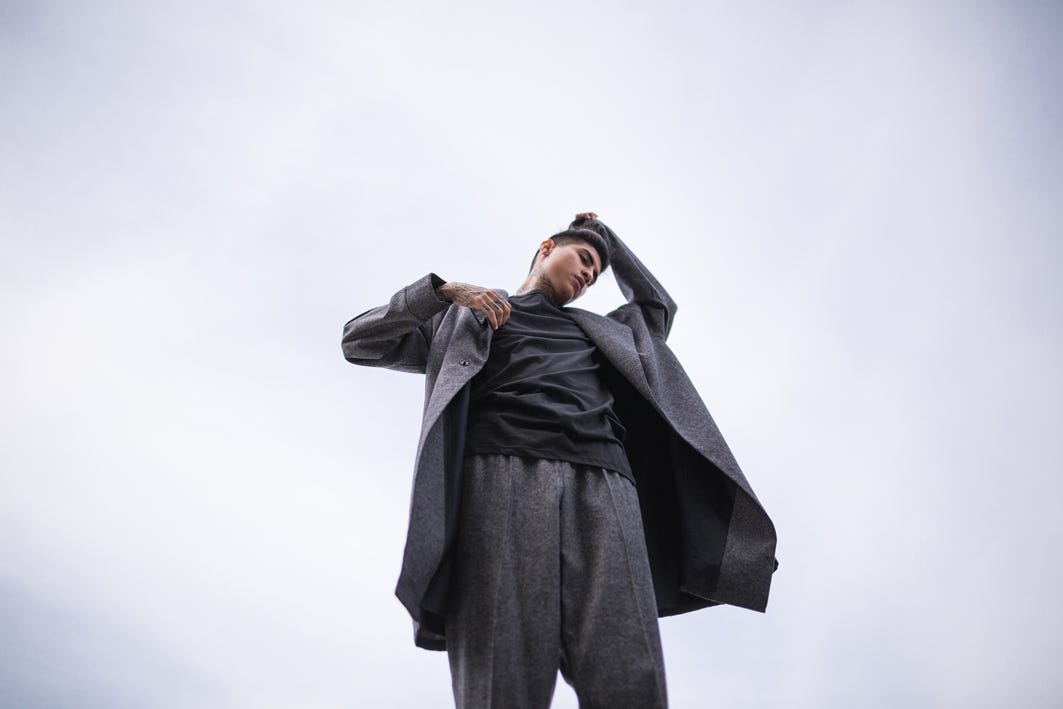
I often notice that I use the word fashion quite casually, allowing it to cover a wide variety of meanings. I’m notably a fashion designer though I’m not aiming to design particularly fashionable items. Quite the opposite, I rather design concepts, means of expression, even dreams; pieces that my customers use to build their own personal style.
Are Dusty’s customers then fashionable? Most likely. Are they stylish? Always.
A few years ago when I was finishing my strategic design MA studies, I interviewed about a dozen of my long-time customers both here in Helsinki and in New York. The questions focused particularly on the customers' core values and their relationship with fashion and clothing, and how they perceive fashion in relation to themselves and others.
These small conversations via IG direct messages led to meaningful exchange of ideas that profoundly shaped the way I see my profession and what the future of fashion might hold.
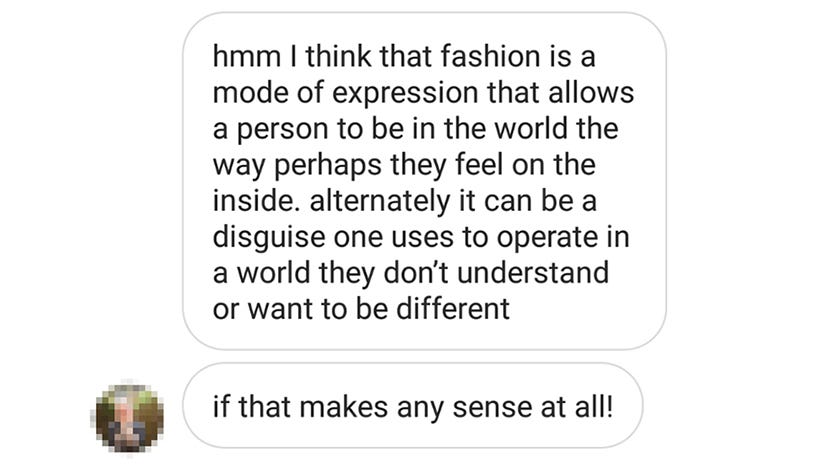
All the answers were valuable as a whole, but some of them were pure gold: “Fashion is a mode of expression that allows a person to be in the world the way they feel on the inside.” What a brilliant sum-up! I could not have said it better. I actually put that quote in a frame and hang it on my studio wall.
The results revealed that for the interviewees fashion is so much more than just clothing. It’s a channel for self-expression and a tool for crafting their identity. It seamlessly integrates into their daily lives. Beyond merely consuming fashion, they actively engage with it through social media, discussing current fashion events and news with friends, acquaintances, or even strangers.
Personal style, however, is something entirely different from fashion. In response to the question about how much effort they put into building their own style, participants replied, “my style develops naturally” or “it feels as effortless as breathing.” They feel confident in their unique style and how they present themselves, a confidence that has grown over time and continues to evolve. They intuitively recognize whether a piece suits their style or not. Responses also suggested that this self-assurance strengthens with age. Younger participants admitted to spending considerable time refining their style but acknowledged that trusting their instincts could be just as effective.
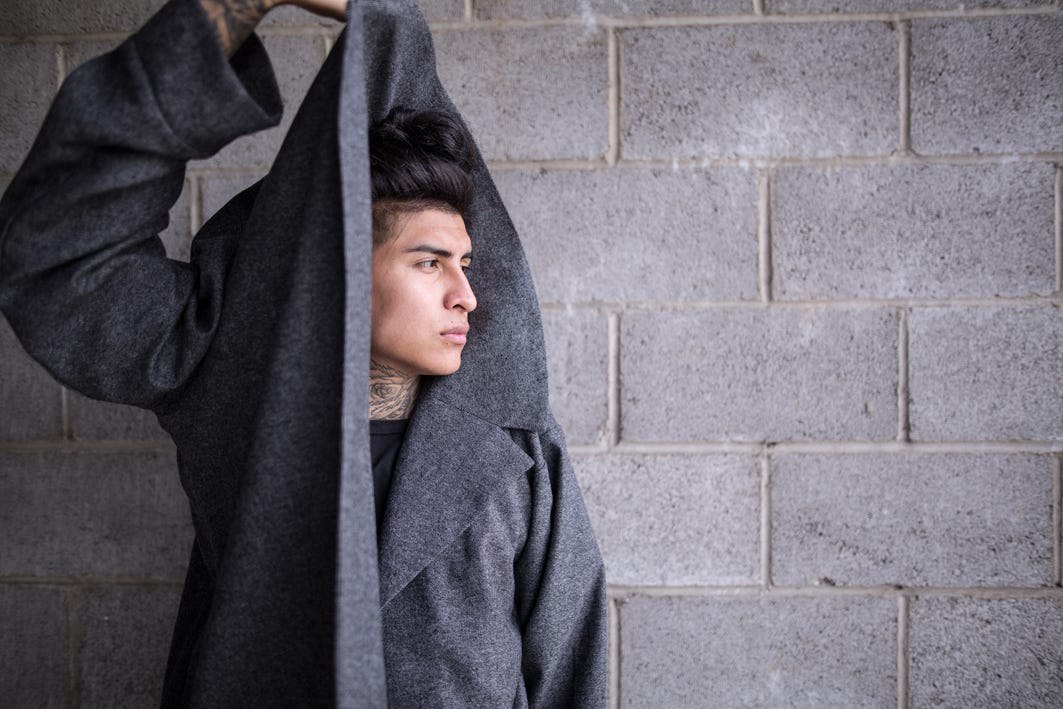
What is then the difference between fashion and style? Can these two words be used as synonyms? What do they have in common? Dusty’s customers' reflections on fashion and their individual style, as expressed in their responses, align remarkably well with the research I’ve come across on the subject.
On the scale of personal versus shared, style is individual and unique, emphasizing self-expression over conformity, while fashion is always collective, focusing on what is popular among a group, society, or time period.
On the scale of slow versus rapid, style evolves slowly and unlike fashion, style can be timeless. A person’s style evolves but often maintains a consistent core that reflects their identity. Fashion on the contrary, is temporary and changes frequently, reflecting current societal moods or events.
The key difference between the two is that fashion is external and collective, while style is internal and personal, emphasizing individuality. A person with strong style may or may not follow current fashion trends, depending on their preferences.
But being stylish or being fashionable are not opposites either; rather both are aspects of the personal style experience. Style oriented individuals prefer clothing that doesn’t go out of style quickly and with a greater confidence and interest in their personal style they are able to stay up-to-date with trends and adapt easily (if they wish to do so).
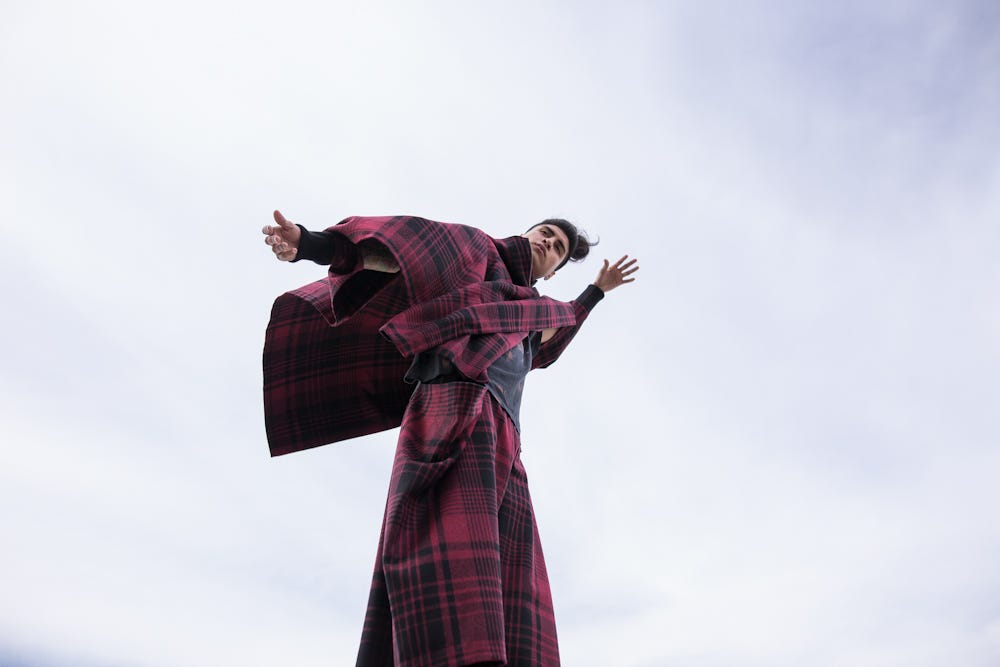
If you say that “somebody is stylish” or “somebody is fashionable” there is certainly a different connotation and we tend to appreciate more the stylish one, because it takes more personal endeavour to create your own style than follow a fashion, doesn’t it?
I believe it’s sometimes valuable to reflect on what is being discussed and which words are chosen, because words shape the way we think. For example word fashion has many negative connotations nowadays; think of fast fashion or being a fashion victim.
As a conclusion, style oriented consumers could might as well be called slow fashion oriented consumers as oppose to pragmatic consumers (who care neither style nor fashion, but are mainly focused on easiness of clothing) and fast fashion oriented consumers (who seek emotional fulfilment and experimental experiences through shopping, and purchasing in excess).
The slow fashion consumers develop their own style and consume strategically, they prioritize quality over quantity, favouring timeless designs, minimalist aesthetics, attention to garment details, and versatile pieces that ensure durability and extended use. All these attributes are in line with consuming fashion in more responsible way.
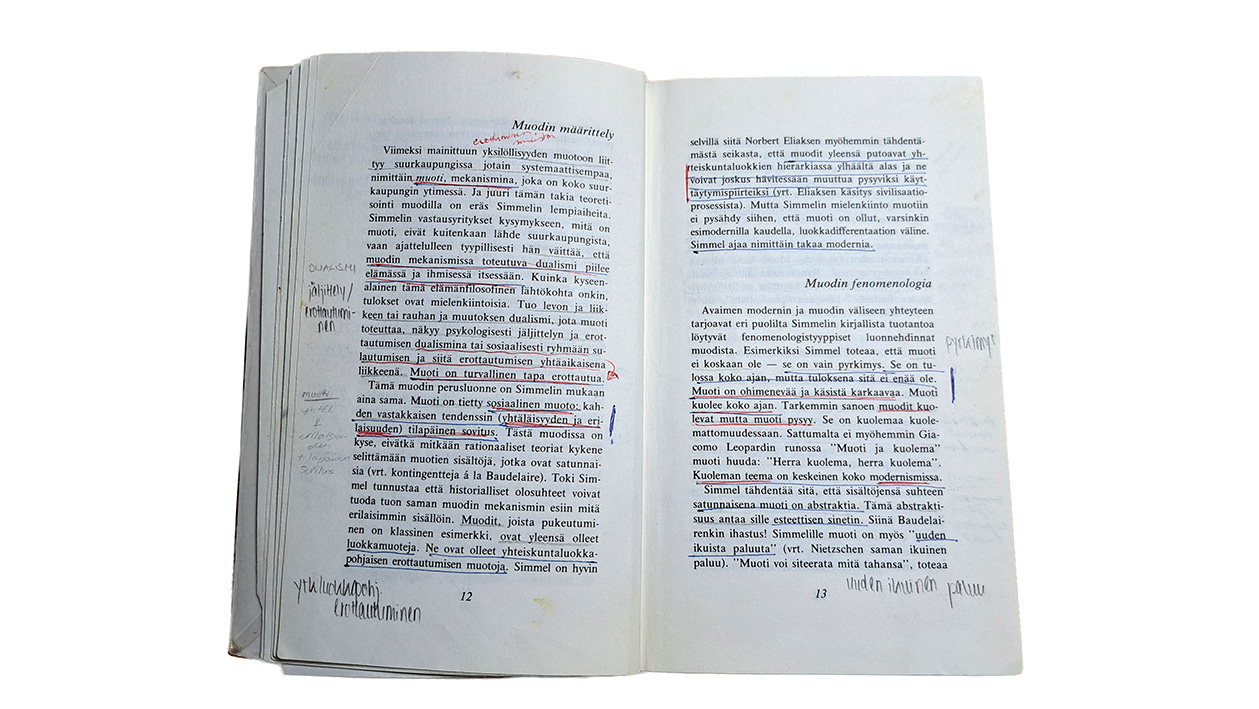
As I am an advocate of guilt-free speech on fashion, let’s end this letter with the essence of fashion according to German sociologist Georg Simmel. According to Simmel’s essay “Philosophie der Mode” (1905), the essence of fashion lies in its ability to balance two seemingly contradictory human desires: the desire for individuality and the desire for social belonging.
I’m out of here to design desirable items. You may call it fashion.
Such a great piece! I’ve never really considered the difference between fashion and style, but I agree that fashion is more outward and style is more inward and personal. Also love the quote at the end ✨